-
A Consultation Without Pressure: What to Expect at Movement Referrals

If your dog suddenly has a seizure, loses the use of their back legs, develops severe neck pain, tears a cruciate ligament, starts limping without an obvious cause, or has been slowing down over many months, life can change in a matter of minutes. One moment everything is normal. The next, you’re being told your…
-
Hip Dysplasia in Dogs

Introduction Hip dysplasia is one of the most common orthopaedic conditions affecting dogs and a frequent reason for referral. It is a developmental disorder in which the hip joint that begins with joint instability, which can lead to abnormal bone development around the hip. Over time, this abnormal movement causes damage to the cartilage and bone,…
-
Elbow Dysplasia in Dogs
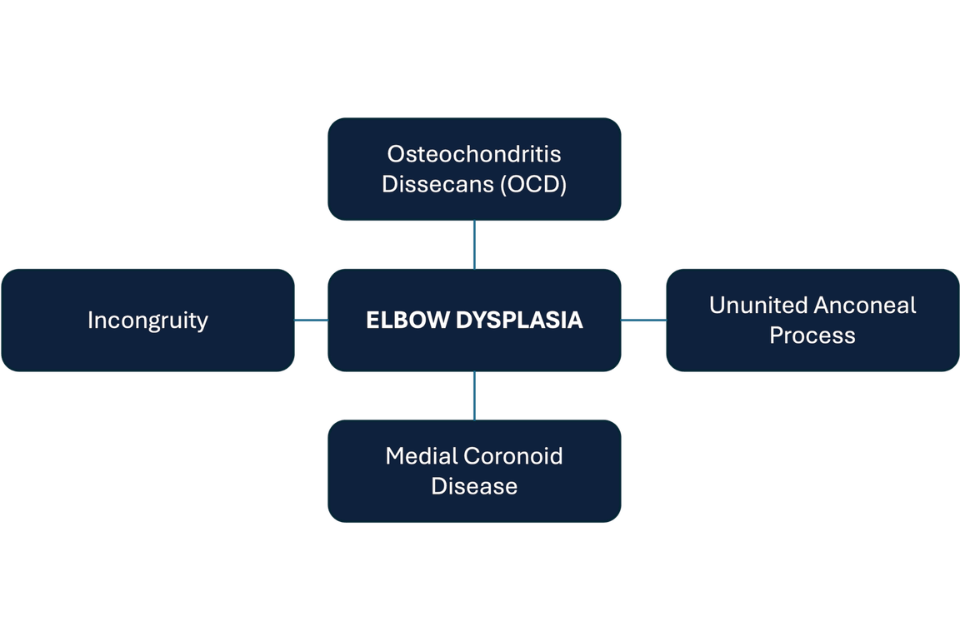
Introduction Elbow dysplasia is a common cause of forelimb lameness in dogs and therefore a common reason for referral. The term describes a group of developmental abnormalities affecting the elbow joint, rather than one single condition. Lameness (limping) and stiffness might start when the dog is young, or might not manifest until the dog is older and…
-
Inflammatory Brain Disease in Pets: What You Need to Know
Inflammatory diseases of the brain and central nervous system are among the most serious neurological conditions we see in dogs. They can develop rapidly, cause profound clinical signs, and understandably be very frightening for owners. The good news is that, with the right diagnostic approach and carefully tailored treatment, many dogs can respond extremely well.…
-
How imaging supports diagnosis in veterinary neurology – and why it matters who performs it
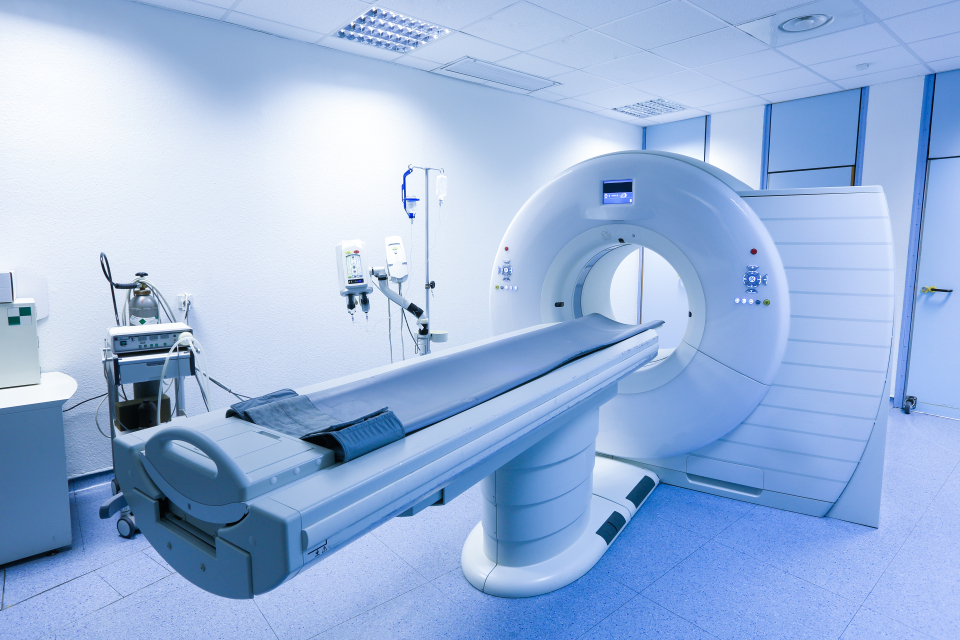
When a dog or cat presents with neurological clinical signs, the most important question is rarely “can we do a scan?”. The real question is “should we scan, what should we scan, and how will the result – normal or abnormal – change what we do next?”.This is where specialist-led neurology makes a crucial difference.…
-
Recognising Seizures in Dogs: Looking Beyond the Obvious
Here at Movement Referrals, we’d like to introduce our new blog collection. Each one will focus on a particular condition, relating to three key areas; Orthopaedics, Neurology and Spinal Surgery, aimed at those looking for a top-up of knowledge. Kicking off the series, we’re going to be looking at seizures. What are the causes? What are the stages? Is characterising the seizure really important? What constitutes a seizure…
North West 01928 394733
Midlands 01889 284969
North West 01928 394733
Midlands 01889 284969

North West 01928 394733
Midlands 01889 284969