

Immune-mediated polyarthritis (IMPA) is an uncommon form of arthritis in dogs and cats. It is caused when the immune system is inappropriately triggered and starts to ‘attack’ the animal’s own joints. Similar conditions exist in people such as reactive arthritis and rheumatoid arthritis.
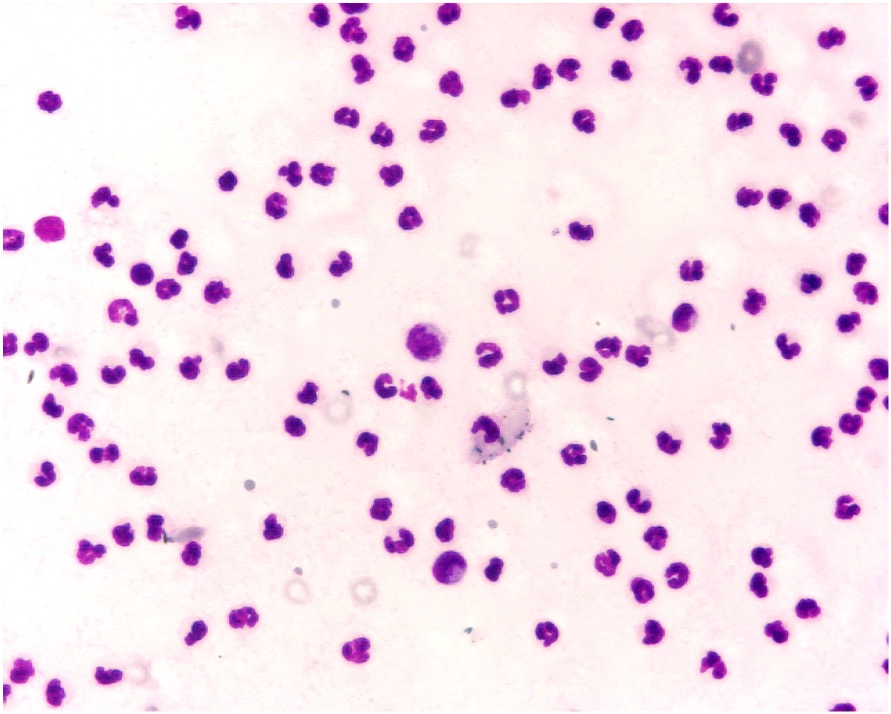
Affected animals can present in variable ways from mild pain and lameness, through to sudden-onset reluctance to move at all and severe pain. The lameness may shift from one limb to another because multiple joints can be affected. Diagnosis is through documentation of significant inflammation in several joints, typically by sampling and analysing the fluid from the joints. Some types of IMPA are associated with diseases elsewhere in the body and so blood tests and imaging may be required.

Publications from Movement Vets surgeons
Kennedy, L. J., A. Barnes, G. M. Happ, R. J. Quinnell, D. Bennett, J. M. Angles, M. J. Day, NCarmichael, J. F. Innes, D. Isherwood, S. D. Carter, W. Thomson, and W. E. R. Ollier. 2002. ‘Extensive interbreed, but minimal intrabreed, variation of DLA class II allelles and haplotypes in dogs’, Tissue Antigens, 59: 194-204.
Ollier, W. E. R., L. J. Kennedy, W. Thomson, A. N. Barnes, S. C. Bell, D. Bennett, J. M. Angles, J. F. Innes, and S. D. Carter. 2001. ‘Dog MHC alleles containing the human RA shared epitope confer susceptibility to canine rheumatoid arthritis’, Immunogenetics, 53: 669-73.