
There are several diseases that affect the balance system (also called the vestibular system) that are classified under the term vestibular syndrome. The most common signs of vestibular syndrome in dogs and cats are loss of balance, falling, rolling over, nystagmus, and general wobbliness.
What is the vestibular system?
Animals rely on the vestibular system for balance to prevent them falling over. Similarly to other senses, the balance system consists of sensors (located deep inside the inner ear) and a brain-based control centre. Control of balance requires tiny changes in the position and movement of the body and the eyes depending on the position and movement of the head.
Animals standing at rest and moving use balance sensors to determine their position in space. The position of the head is converted into electrical signals that are sent to the brain. As a result of this information, the brain’s balance control centre sends messages to the rest of the body to ensure the animal remains upright. Muscles controlling the position of the eyes also receive messages to change their position according to the head’s position.
What are the signs of vestibular syndrome?
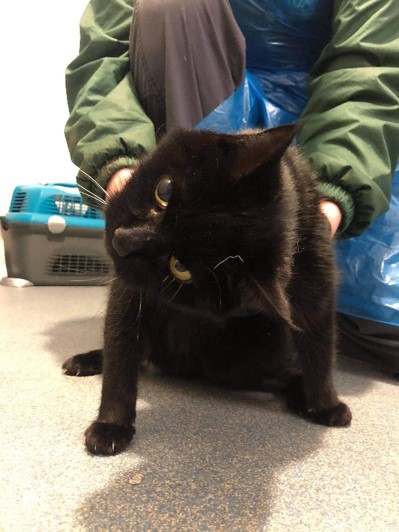
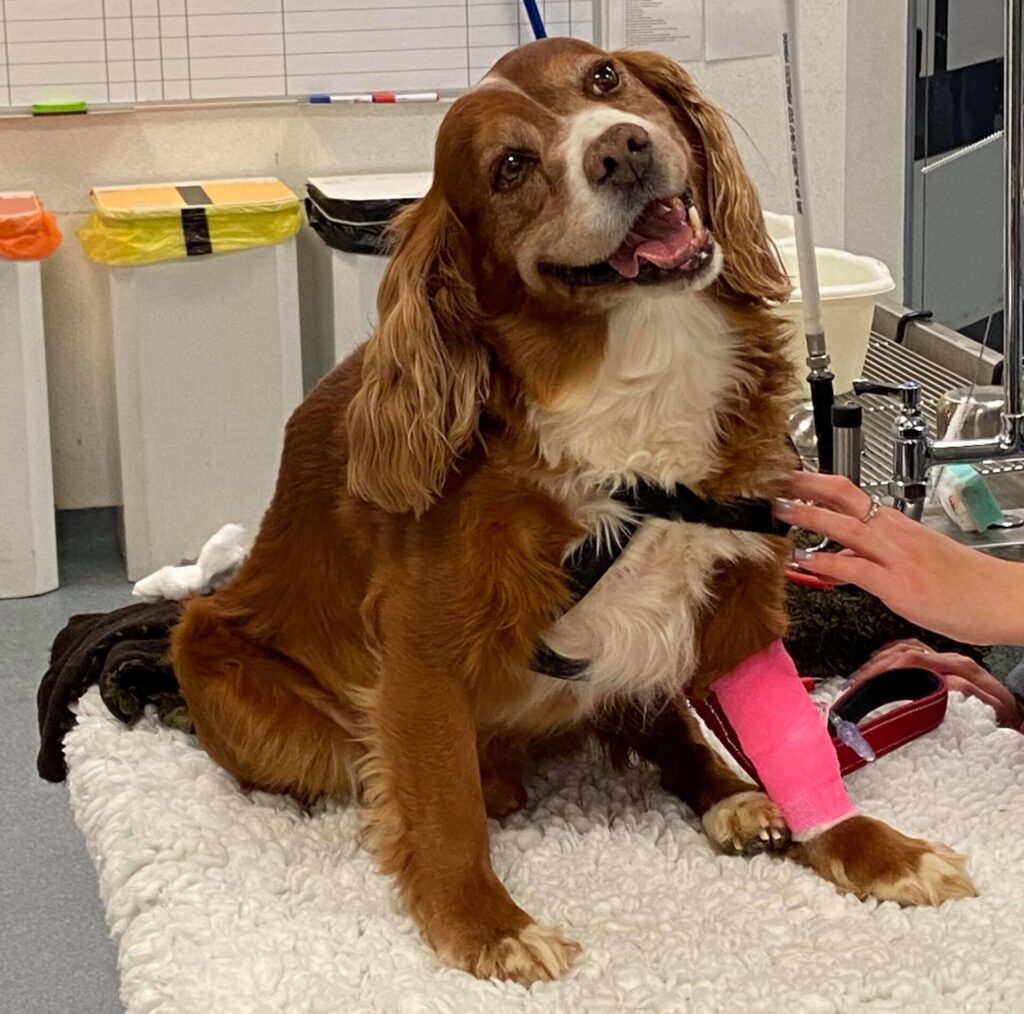
There are several signs of vestibular syndrome in dogs and cats, including falling, head tilting (rotation of the head with one ear lowered than the other), flickering of the eyeball (nystagmus), general wobbliness (often with the animal drifting to one side as he/she moves around) and/or circling. Animals with disturbances to the vestibular system may also feel nauseated or sick, since the balance centre is very close to the vomiting centre.
There are balance sensors near the hearing sensors in the ear and nerves controlling the movement of the eyelids, lips, and ears. Therefore, diseases affecting the vestibular system may also cause hearing loss and facial paralysis (Related factsheet: Facial Paralysis). It is also possible that diseases affecting the balance centre may also affect other parts of the brain, causing seizures, weakness, loss of vision, or difficulty eating.
What causes vestibular syndrome?
In dogs and cats, vestibular syndrome is caused by diseases affecting any part of the vestibular system (sensors within the ear, nerves connecting the ear and brain, or the control centre in the brain).
The ear can be affected by deep ear infections (otitis), ear tumours, or polyps, as well as damage to the skull caused by a road traffic accident or a fall.
There are several diseases that affect the vestibular nerve, such as nerve tumours, nerve inflammation (neuritis), or hypothyroidism. Brain disorders can include tumours, inflammations, infections (encephalitis), strokes, head trauma, vitamin deficiency (thiamine deficiency) or malformations (e.g. cyst or hydrocephalus).
In a small number of “sensitive” dogs, antibiotic treatments can also cause vestibular syndrome.
Despite extensive investigation, some animals develop vestibular syndrome without a known cause. The condition is known as idiopathic peripheral vestibular disease. Originally thought to affect older dogs and cats, it is now widely recognized to affect pets of all ages.
How do I diagnose vestibular disease?
Identifying whether the problem is likely to be in the ear (where the balance sensors are) or in the brain is the first step. A neurological exam can help to determine this.
Should an infection be suspected, an ear scope should be used and a swab taken. Vestibular syndrome can present without typical signs of ear inflammation such as head shaking, scratching, and inflammation of the ear canal or eardrum. X-rays, CT scans, or, best of all, MRI scans can help detect disease located behind the eardrum, such as a deep ear infection or tumour. Brain disease can also be detected by CT and MRI scans of the brain and sometimes by obtaining cerebrospinal fluid (CSF).
How can vestibular syndrome be treated?
The signs of vestibular disease should improve if an underlying cause can be identified and treated. Despite adequate treatment, head tilt and/or intermittent loss of balance may persist if irreversible damage has occurred to the balance sensors. Medications used to control motion sickness may help animals with significant nausea and loss of balance, but the underlying condition must also be treated where possible. In the case of idiopathic vestibular disease, there is really nothing that can be done to improve the condition. You can expect a patient to get better naturally when it comes to this disease.
What is the prognosis for vestibular disease?
The outlook for dogs with vestibular syndrome depends on the underlying cause. It is possible to control some infections quite easily, while other infections are more serious. When a tumour is found, the animal’s prognosis is worse.
Generally, animals who suffer from no underlying cause will recover without treatment. There may be a long recovery period for the animal, and some animals may develop a permanent head tilt as a result of this process.